緊急情報
ここから本文です。
更新日:2025年12月19日
中部国際空港発 天津/台北行・ビジネスクラス(洋食)/Chubu Centrair International Airport (NGO) to Tianjin(TSN)/Taipei(TPE)・Business Class(International Cuisine)
特別メニュー/Special Menu
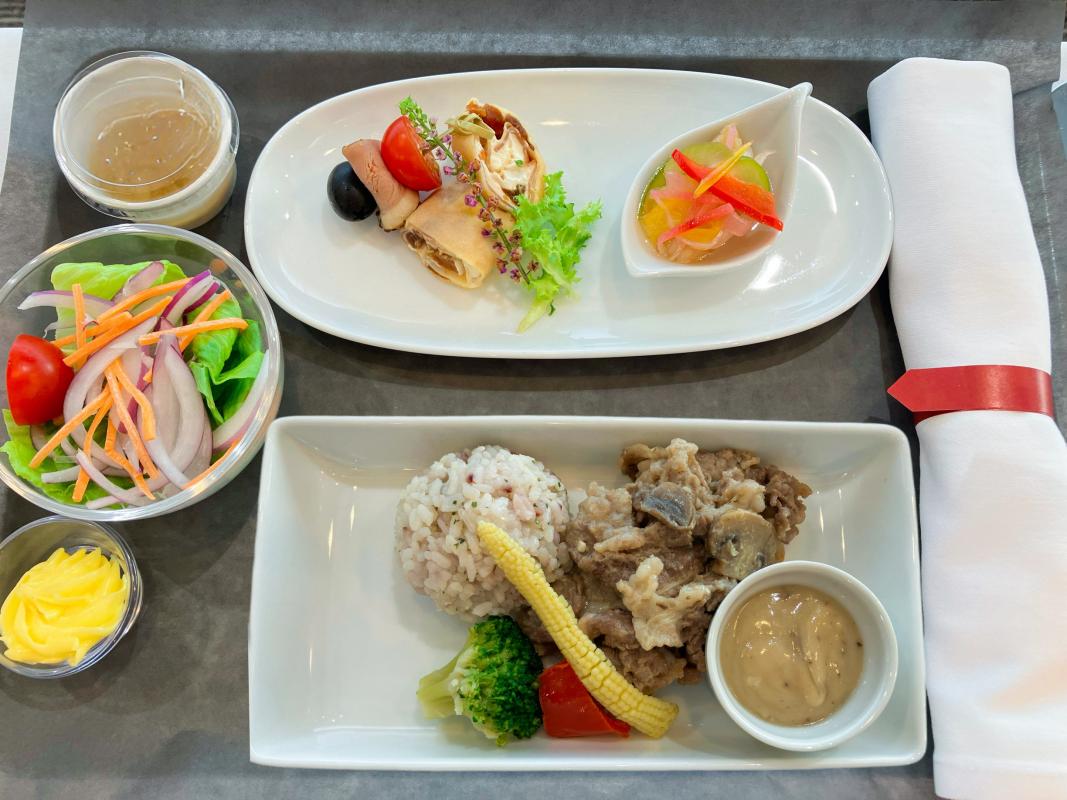
- 12月 December
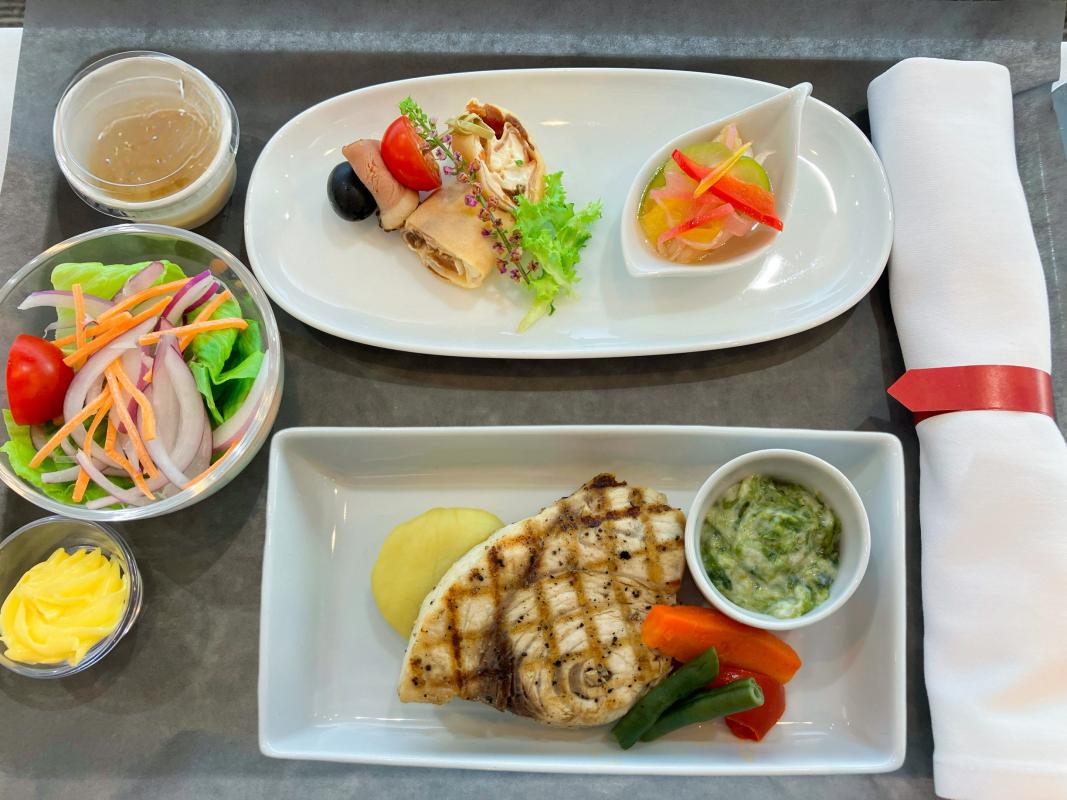
- 1月 January
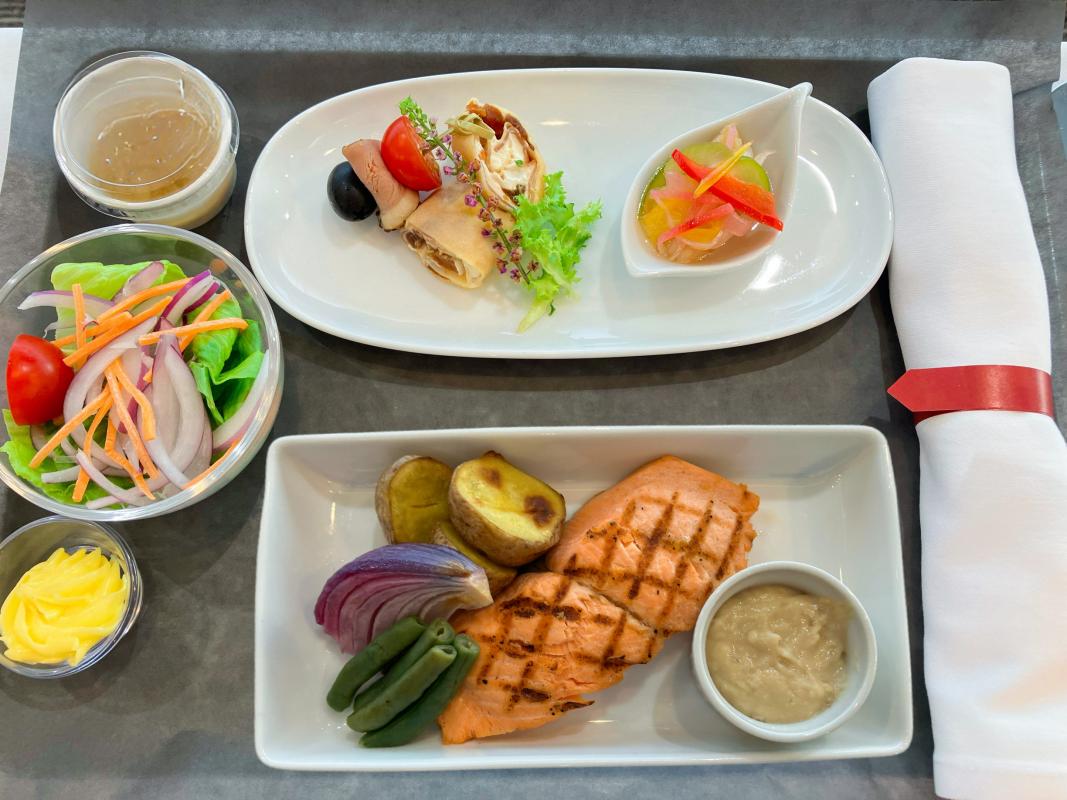
- 2月 February
| メニュー/Menu | 浜松・浜名湖地域の食材/Hamamatsu and Lake Hamana Region Ingredients | 生産者/Producer |
|---|---|---|
|
次郎柿とクリームチーズの生ハムクレープロール Crepe Rolls with Dry-cured Ham, "Jiro" Persimmon & Cream Cheese |
"Jiro" Persimmon |
足立柿園 |
|
鴨のパストラミとミニトマト、ブラックオリーブのピンチョス Duck Pastrami, Cherry Tomato & Black Olive Skewer |
― | ― |
|
カラスカレイのエスカベッシュ Greenland Halibut Escabeche |
― | ― |
| メニュー/Menu | 浜松・浜名湖地域の食材/Hamamatsu and Lake Hamana Region Ingredients | 生産者/Producer |
|---|---|---|
|
フレッシュサラダ Fresh Salad |
― | ― |
|
加藤醤油の白みそ「だいち」のドレッシング Yuzu & "Daichi" White Miso Dressing |
"Daichi" White Miso Dressing |
有限会社加藤醤油 |
| メニュー/Menu | 浜松・浜名湖地域の食材/Hamamatsu and Lake Hamana Region Ingredients | 生産者/Producer |
|---|---|---|
|
(12月)みっかび牛ストロガノフと浜松大平台高校の紫黒米のバターライス (December)"Mikkabi" Beef Stroganoff with Buttered Black Rice |
"Mikkabi" Beef |
浜松ハム株式会社 |
|
Black Rice |
浜松大平台高校 | |
|
(1月)メカジキのグリル 浜名湖のりのクリームソース うなぎいものマッシュポテト添え (January)Grilled Swordfish with Lake "Hamana" Laver Cream Sauce |
Lake "Hamana" Laver |
株式会社白柳水産 |
|
"Unagi-imo" Sweet Potatoes |
うなぎいも協同組合 | |
|
(2月)グリルサーモン 加藤醤油の白みそ「だいち」のクリームソース (February)Grilled Salmon with Creamy "Daichi" White Miso Sauce |
"Daichi" White Miso |
有限会社加藤醤油 |
※ブレッドを添えて提供します(Breads)。
浜松・浜名湖地域の食材/Hamamatsu and Lake Hamana Region Ingredients
浜名湖のり・浜名湖のり佃煮/Lake "Hamana" Laver・Soy-simmered Lake "Hamana" Laver
「浜名湖のり」の養殖の歴史は古く、文政3年(1820年)ごろから始まり、現存する海苔の養殖場としては日本最古です。
「浜名湖のり」の特徴は鮮やかな緑色、特有の磯の香り、なめらかな舌ざわりなどで、「浜名湖のり」の名称で2020年に地域団体商標に登録され、ブランド化されています。
海苔の養殖は9月に湖に杭を打ち、網を張ることから始まります。この網に海苔の種がついて育ち、網がだんだん緑色になります。
海苔は水中だと成長が早いですが、水中が長すぎると弱るので、様子を見て網の高さを変えて陽に当てるなど、微調整しながら大事に育てられ、12月から3月にかけて収穫されます。
Lake “Hamana” Laver farming has a long history, dating back to around 1820, making it the oldest existing Laver farm in Japan.
Lake “Hamana” Laver is characterized by its vibrant green color, distinctive seashore scent, and smooth texture, and in 2020 it was registered as a regional collective trademark and branded as "Lake “Hamana” Laver."
Laver farming begins in September with the driving of stakes into the lake and the stretching of nets. Laver seeds attach to the nets and grow, gradually turning the nets green.
Laver grows quickly underwater, but weakens if it remains underwater for too long. Therefore, the Laver carefully cultivated with fine adjustments such as changing the height of the net and exposing it to sunlight, before being harvested from December to March.
- 浜名湖のりについて、トラベルWatch(別ウィンドウが開きます)でも紹介されています/Lake "Hamana" Laver is also featured on Travel Watch(別ウィンドウが開きます)

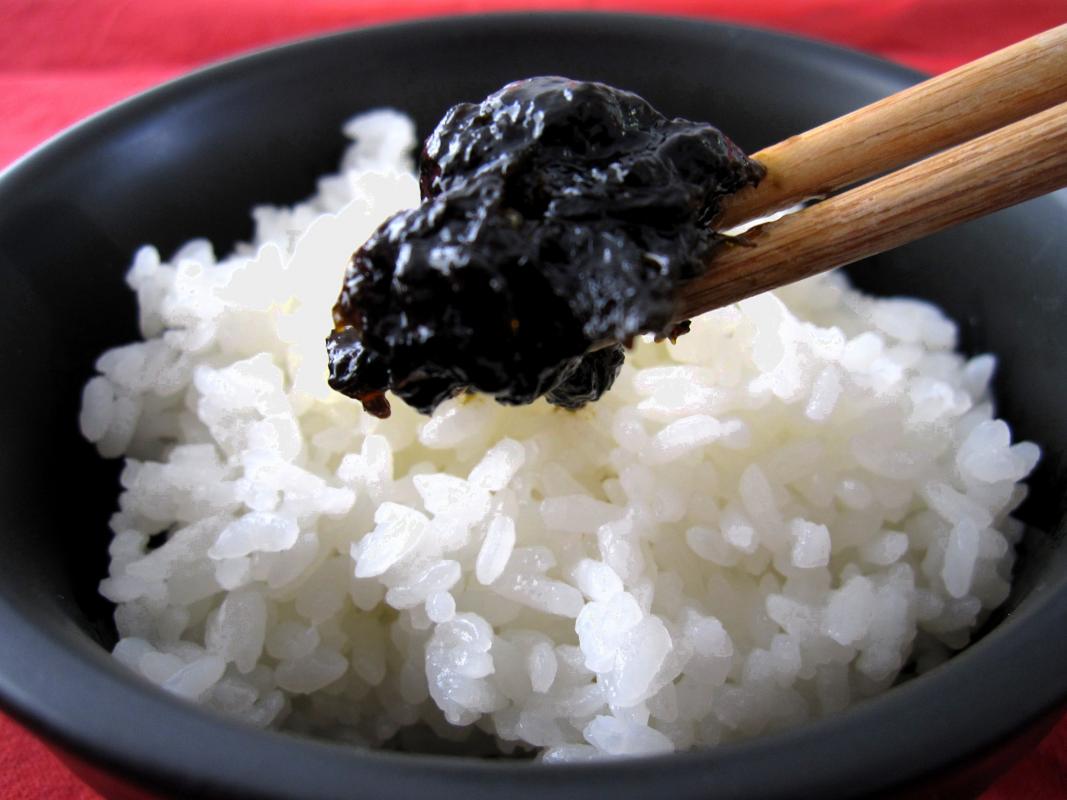
松田食品株式会社オンラインショップ(別ウィンドウが開きます)
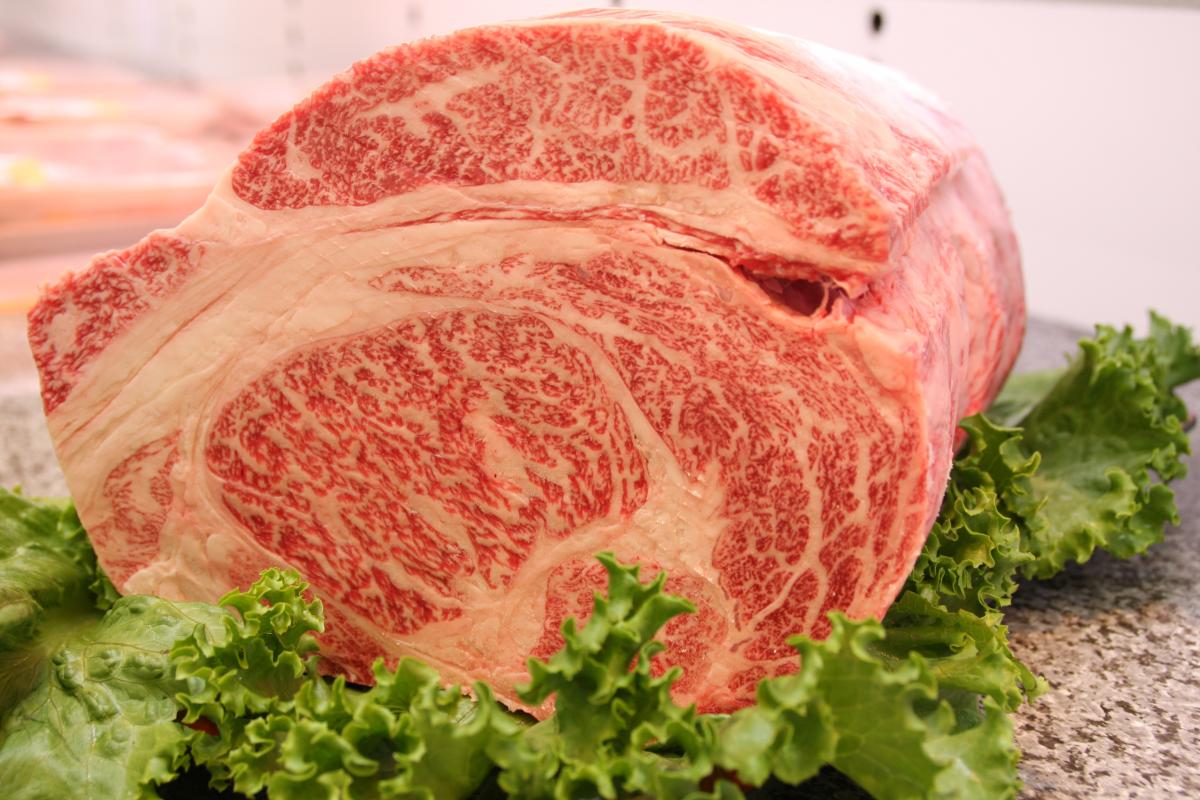
みっかび牛/"Mikkabi" Beef
三ヶ日町では昔から畜産が盛んでしたが、2010年に「みっかび牛」というブランドで売り始めました。
「みっかび牛」は、三ヶ日みかんの加工品の製造過程で出た皮を乾燥・粉砕して、餌に加えているのが特徴です。みかんの皮はビタミン、ミネラルの補給になるとともに、牛のフンはみかんを育てる堆肥となります。
畜産にもみかんにも適している温暖な三ヶ日の地で、昔ながらの自然の摂理に基づいた地域循環型農業を実現しているのです。
Livestock farming has been popular in Mikkabi Town since ancient times, and in 2010 they began selling beef under the brand name "Mikkabi Beef."
"Mikkabi Beef" is unique in that the peels from the Mikkabi mandarin orange manufacturing process are dried and crushed and added to the cows' feed. The mandarin orange peels provide a source of vitamins and minerals, and the cow dung serves as compost for growing the mandarins.
In the warm climate of Mikkabi, which is ideal for both livestock farming and mandarin oranges, they have realized a traditional, local, circular agriculture method based on the laws of nature.
浜松ハム株式会社オンラインショップ(別ウィンドウが開きます)
うなぎいも/"Unagi-imo" Sweet Potatoes
浜松・浜名湖地域は日本でも有数のうなぎの産地です。そこで、普段捨ててしまううなぎの骨や頭などを肥料に栽培したのがうなぎいもです。
浜松・浜名湖と言えば「うなぎ」という認識は既に多くの方にされていますが、さつまいもの認知度は高くありません。実は、この地域でのさつまいもの栽培は数百年も前から行われており、立派な郷土食材なのです。
この歴史を広める意味合い、そしてさつまいもを加工するにあたり、加工業者、配送業者、保管業者、販売業者、そして農家など、様々な業者がさつまいも加工に携わることで地域活性に繋げたいという意図のもと、この「うなぎ」と「さつまいも」に着目し、「うなぎいも」が誕生しました。
うなぎいものモンブランソフトやプリンなど、様々な加工品も販売されています。
The Hamamatsu and Lake Hamana region is one of Japan's leading eel-producing areas. “Unagi-imo” Sweet Potato is grown using eel bones and heads, which would normally be thrown away, as fertilizer.
While many people already recognize Hamamatsu and Lake Hamana with eels, they are less well known for their sweet potatoes. In fact, sweet potatoes have been cultivated in this region for hundreds of years, making them a local food ingredient.
With the aim of spreading this history and revitalizing the region by involving a variety of businesses in sweet potato processing, including processors, delivery companies, storage companies, retailers, and farmers, "Unagi-imo" Sweet Potato was born, focusing on the combination of "eel" and "sweet potato."
A variety of processed products made with “Unagi-imo” Sweet Potato are also sold, including Mont Blanc soft serve and pudding


うなぎいも協同組合オンラインショップ(別ウィンドウが開きます)
紫黒米/Black Rice
浜松大平台高校の生徒が育てた古代米で、例年約60キロを収穫し市内の学校給食にも使用されています。
2006年の開校以来、20年にわたって生徒が種を引き継いで生産し、より高い品質を目指した研究が進んでいます。
紫黒米はポリフェノールや食物繊維などを多く含む健康食として注目されています。
This ancient rice is grown by students at Hamamatsu Ohiradai High School, and approximately 60 kilograms are harvested each year, and is used in school lunches throughout the city.
Since the school opened in 2006, students have taken over the seeds and produced the seeds and produced the rice for 20 years, and research is ongoing to achieve even higher quality.
Black rice is attracting attention as a healthy food rich in polyphenols and dietary fiber.


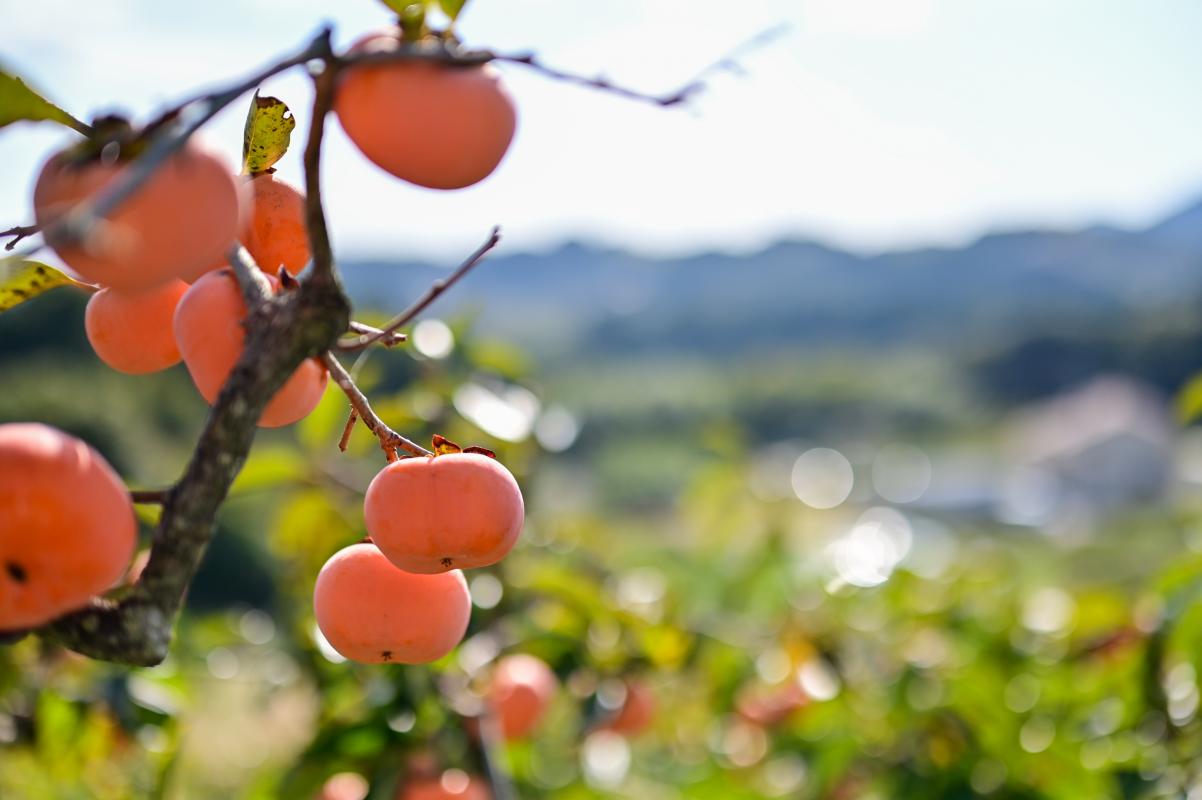
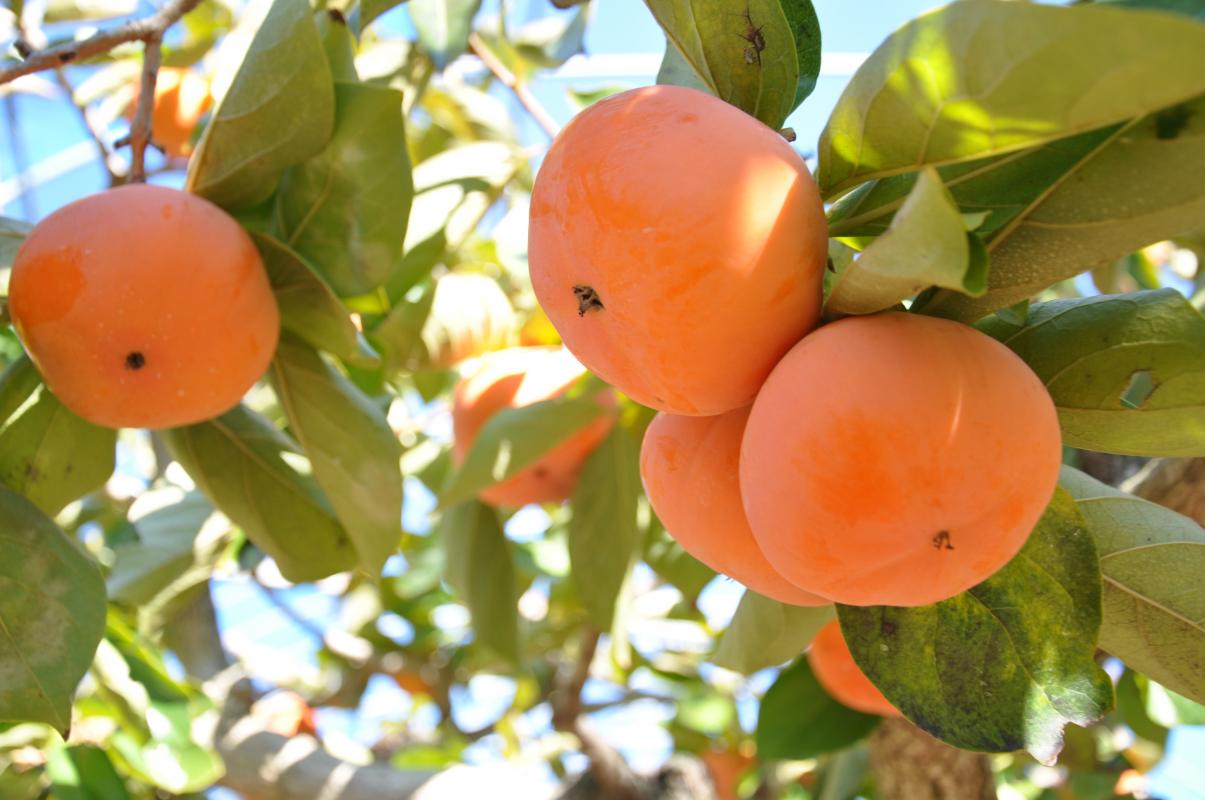
次郎柿/"Jiro" Persimmon
四角い形が特徴の「次郎柿」ですが、この柿は全国に流通する柿の中ではごくわずかで、浜松ならではの柿です。
浜北地区で日当たりや水はけの良さを生かし、多く生産されています。
江戸時代の終わりごろに松本次郎さんが見つけた柿の幼木が、とてもおいしい実をつけたことから遠州地域に広まり、次郎柿と呼ばれるようになったのだそうです。
果肉は硬めで甘く、種はほとんどありません。
“Jiro” persimmons are characterized by their square shape, and are a rare variety among the persimmons distributed nationwide, making them unique to Hamamatsu.
They are produced in large quantities in the Hamakita area, taking advantage of the area's sunny location and good drainage.
A young persimmon tree discovered by Matsumoto Jiro towards the end of the Edo period produced delicious fruit, which then spread throughout the Enshu region and came to be called Jiro persimmons.
The flesh is firm and sweet, with few seeds.
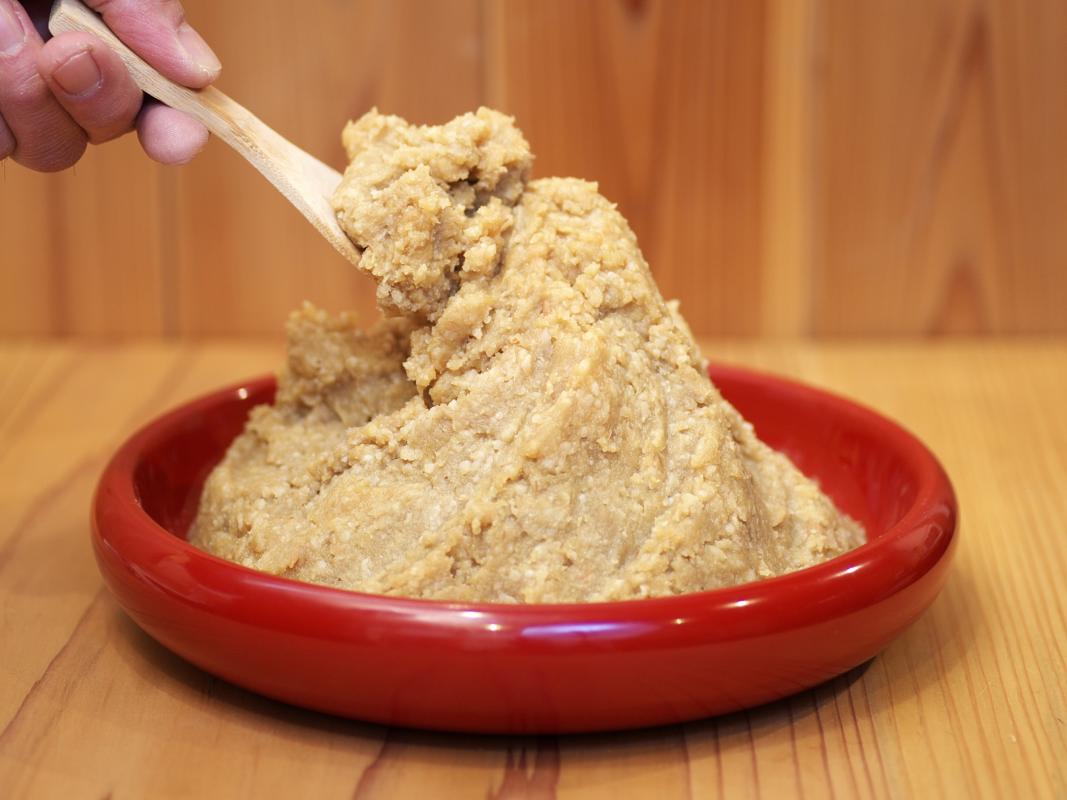
白みそ「だいち」/"Daichi" White Miso Dressing
浜松産の米、静岡県産の大豆を使用し、昔ながらの製法でじっくり熟成させて作られた白味噌です。
特に麹づくりにはこだわり、昔ながらの道具を使い、機械を使わず、麹の繁殖具合や温度を人の手でたしかめます。
This white miso is made using rice from Hamamatsu and soybeans from Shizuoka Prefecture, and is carefully aged using traditional methods.
They are particularly particular about making the koji, using traditional tools and no machines, and manually checking the koji's growth and temperature.
- 白みそ「だいち」について、トラベルWatch(別ウィンドウが開きます)でも紹介されています/"Daichi" White Miso“ is also featured on Travel Watch(別ウィンドウが開きます)
よくある質問

お問い合わせ
より良いウェブサイトにするためにみなさまのご意見をお聞かせください

浜松市 法人番号 3000020221309
Copyright © Hamamatsu City. All Rights Reserved.